

How to Handle Car Repairs Without Breaking the Bank
Share this:

When it comes to managing car repairs without draining your wallet, understanding the ins and outs is key. From researching affordable options to DIY fixes, this guide will equip you with the knowledge to navigate the world of car maintenance.
Research and Planning
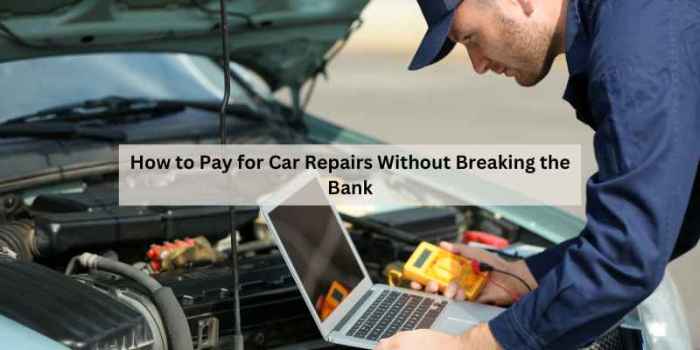
Researching and planning before starting car repairs is crucial to ensure that you can handle the repairs without breaking the bank. By taking the time to gather information and create a plan, you can save money, time, and stress in the long run.
Researching Affordable Repair Options
Researching affordable repair options is key to saving money on car repairs. Here are some tips to help you find cost-effective solutions:
- Ask for recommendations from friends, family, or online forums to find reliable and affordable mechanics.
- Compare prices from multiple repair shops to ensure you are getting the best deal.
- Look for coupons, discounts, or promotions that can help reduce the cost of repairs.
- Consider purchasing used or aftermarket parts to save money on replacement components.
Planning the Repair Process
Planning the repair process in advance can help you stay organized and on budget. Some benefits of planning include:
- Creating a budget and timeline to avoid unexpected expenses and delays.
- Prioritizing repairs based on urgency and cost to tackle the most critical issues first.
- Researching DIY options for simple repairs that you can do yourself to save on labor costs.
- Consulting with a trusted mechanic to get an accurate diagnosis and estimate before starting any repairs.
DIY Repairs
When it comes to handling car repairs without breaking the bank, DIY repairs can be a great way to save money. By tackling common car issues at home, you can avoid costly trips to the mechanic. Here, we will discuss some common car problems that you can easily fix yourself, provide a step-by-step guide on how to perform basic car repairs, and talk about the tools and equipment needed for successful DIY repairs.
Common Car Issues for DIY Repairs
- Changing the oil: Regular oil changes are essential for maintaining your car's engine health. You will need fresh oil, an oil filter, a wrench, and an oil pan to catch the old oil.
- Replacing the air filter: A dirty air filter can affect your car's performance. Simply locate the air filter housing, remove the old filter, and replace it with a new one.
- Replacing brake pads: Worn-out brake pads can be replaced at home with the help of a jack, lug wrench, and a C-clamp to compress the caliper.
Step-by-Step Guide for DIY Car Repairs
- Identify the issue: Use your car manual or online resources to diagnose the problem accurately.
- Gather the necessary tools: Make sure you have all the required tools and replacement parts before starting the repair.
- Follow safety precautions: Always work in a well-ventilated area, wear protective gear, and secure your car on jack stands before getting underneath.
- Begin the repair: Follow the step-by-step instructions carefully, taking your time to ensure each task is done correctly.
- Test your work: After completing the repair, test your car to ensure the issue has been resolved and everything is functioning properly.
Tools and Equipment for DIY Car Repairs
Having the right tools is crucial for successful DIY car repairs. Some essential tools include:
- Socket set and wrenches for loosening and tightening bolts
- Jack and jack stands for lifting and supporting your car
- Multimeter for electrical diagnostics
- OBD-II scanner to read error codes from your car's computer
- Screwdrivers of various sizes for different tasks
Finding Affordable Parts
Finding affordable car parts is crucial when trying to handle car repairs without breaking the bank. By sourcing quality parts at a reasonable price, you can effectively manage your budget while ensuring your vehicle remains in good working condition.
Explore Discount Options
- Check online retailers: Websites like Amazon, eBay, and RockAuto often offer discounted prices on auto parts. Compare prices across different platforms to find the best deal.
- Sign up for newsletters: Subscribe to newsletters from auto parts stores to receive exclusive discounts and deals directly to your inbox.
- Utilize coupon codes: Before making a purchase, search for coupon codes that can provide additional savings on your order.
- Wait for sales: Keep an eye out for seasonal sales or holiday promotions where auto parts are offered at lower prices.
Consider Used or Refurbished Parts
Another option to find affordable car parts is to consider buying used or refurbished parts. While these parts may have some wear, they can still be a cost-effective solution for certain repairs.
When buying used parts, make sure to:
- Verify the condition: Ask for detailed pictures or information about the part's condition before making a purchase.
- Shop from reputable sellers: Look for sellers with positive reviews and a good track record of providing quality used parts.
- Consider warranties: Some sellers may offer warranties on used parts, providing you with added peace of mind.
Negotiating with Mechanics
When it comes to negotiating repair costs with mechanics, there are a few strategies that can help you save money and ensure you are getting a fair deal. One of the most important things you can do is to get multiple quotes from different mechanics for the same repair job.
This will give you an idea of the range of prices out there and help you negotiate a better deal. Communication is key when it comes to negotiating with mechanics, so be sure to clearly explain your budget and ask questions about the repair process.
Importance of Getting Multiple Quotes
- Getting multiple quotes allows you to compare prices and services offered by different mechanics.
- It helps you avoid overpaying for a repair by giving you an idea of the average cost of the job.
- Having multiple quotes also gives you leverage when negotiating with a mechanic, as you can mention lower quotes you've received.
Tips for Effective Communication
- Be clear and concise when explaining the issue with your car to the mechanic.
- Ask for a detailed breakdown of the repair costs and make sure you understand each item on the list.
- Don't be afraid to ask questions or voice concerns about the repair process or pricing.
- Negotiate based on facts and research, such as the average cost of the repair in your area.
- Always get any agreements in writing to avoid any misunderstandings later on.
Preventive Maintenance
Regular maintenance is crucial in preventing costly car repairs in the long run. By taking care of your vehicle and addressing minor issues promptly, you can avoid major breakdowns that could result in expensive repairs.
Routine Car Maintenance Checklist
- Regularly check and change the oil to ensure proper lubrication of the engine.
- Inspect and replace air filters to maintain optimal fuel efficiency and engine performance.
- Monitor tire pressure and tread depth to improve safety and extend tire life.
- Check the battery and electrical system to prevent starting issues.
- Inspect brakes and replace brake pads as needed to ensure safe stopping distances.
Manufacturer's Maintenance Schedule
Following the manufacturer's recommended maintenance schedule is essential for saving money on repairs over time. By adhering to these guidelines, you can address minor issues before they escalate into costly problems. This includes regular oil changes, filter replacements, fluid checks, and inspections of critical components.
Ultimate Conclusion
By incorporating these strategies into your approach, you can tackle car repairs without breaking the bank. Remember, a little planning and negotiation can go a long way in keeping your vehicle in top shape without burning a hole in your pocket.
Key Questions Answered
How important is researching and planning before starting car repairs?
Researching and planning are crucial to finding cost-effective solutions and avoiding unnecessary expenses in the repair process.
What are some common DIY car repairs that can be done at home?
Basic tasks like changing oil, replacing air filters, and fixing minor electrical issues can often be tackled at home with the right guidance.
Where can I find affordable car parts without compromising quality?
You can explore online marketplaces, local junkyards, and auto part stores that offer discounts or deals on quality parts.
How can I effectively negotiate repair costs with mechanics?
Getting multiple quotes, understanding the repair process, and communicating openly with mechanics can help in negotiating better prices.
Why is preventive maintenance important in avoiding costly repairs?
Regular maintenance helps in identifying potential issues early on, preventing major breakdowns that could lead to expensive repairs.