

How to Buy a Fleet Vehicle for Small Businesses: A Comprehensive Guide
Share this:
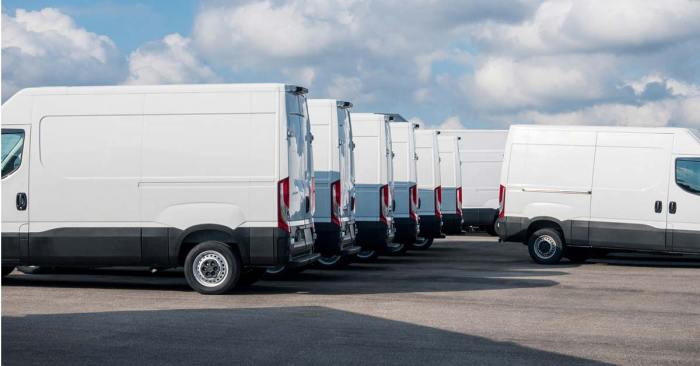
Navigating the world of fleet vehicles for small businesses can be a daunting task. From researching options to setting budgets and understanding financing, there's a lot to consider. This guide aims to simplify the process and provide valuable insights for those looking to purchase fleet vehicles for their small business.
Researching Fleet Vehicle Options
When considering purchasing fleet vehicles for your small business, it is crucial to research and compare different options available in the market. This will help you make an informed decision that aligns with your business needs and budget.
Comparing Different Types of Fleet Vehicles
- Compact Cars: Ideal for businesses with limited cargo needs and frequent city driving.
- Midsize Sedans: Offers a balance between fuel efficiency and passenger comfort.
- Pickup Trucks: Suitable for businesses requiring heavy towing and hauling capabilities.
- Vans: Ideal for businesses needing ample cargo space or passenger capacity.
Identifying Important Features
- Fuel Efficiency: Consider vehicles with good gas mileage to reduce operating costs.
- Reliability: Opt for brands known for durability and low maintenance requirements.
- Safety Features: Prioritize vehicles equipped with advanced safety technology to protect your employees.
- Technology Integration: Look for vehicles with modern infotainment systems and connectivity options.
Buying New vs. Used Fleet Vehicles
When deciding between new and used fleet vehicles, there are several factors to consider:
Buying New:
- Lower Maintenance Costs
- Warranty Coverage
- Access to Latest Features and Technology
Buying Used:
- Lower Purchase Price
- Depreciation Already Factored In
- Potential for Certified Pre-Owned Options
Setting a Budget
When it comes to purchasing fleet vehicles for a small business, setting a budget is a crucial step in the process. It helps determine the affordability and financial impact of acquiring multiple vehicles for your operations. Here are some tips on how to determine a budget and navigate the financial implications of buying fleet vehicles:
Determining a Budget
- Assess your business finances carefully to understand how much you can realistically afford to allocate towards purchasing fleet vehicles. Consider factors such as cash flow, existing debt obligations, and potential financing options.
- Research the cost of different types of vehicles that meet your business needs. Take into account not just the upfront purchase price, but also ongoing maintenance, insurance, fuel, and other operational expenses.
- Factor in any additional costs such as customization, branding, or equipment installation that may be required for your fleet vehicles.
Financial Implications
- Buying fleet vehicles can have a significant impact on your small business's cash flow and bottom line. It's essential to consider how this investment will affect your overall financial health and ability to meet other financial obligations.
- Explore financing options such as loans, leases, or lines of credit to spread out the cost of purchasing fleet vehicles over time. Compare interest rates, terms, and repayment schedules to find the most suitable option for your business.
- Consult with a financial advisor or accountant to evaluate the tax implications and potential deductions associated with buying fleet vehicles for your business.
Negotiating Prices
- Research the market value of the vehicles you are interested in and use this information to negotiate prices with dealerships. Be prepared to walk away if the price is not within your budget.
- Consider buying multiple vehicles at once to leverage bulk discounts or special fleet pricing offered by dealerships. This can help reduce the overall cost per vehicle and maximize your budget.
- Be willing to negotiate not just on the purchase price, but also on additional perks or services such as free maintenance, warranty extensions, or complimentary upgrades.
Financing Options
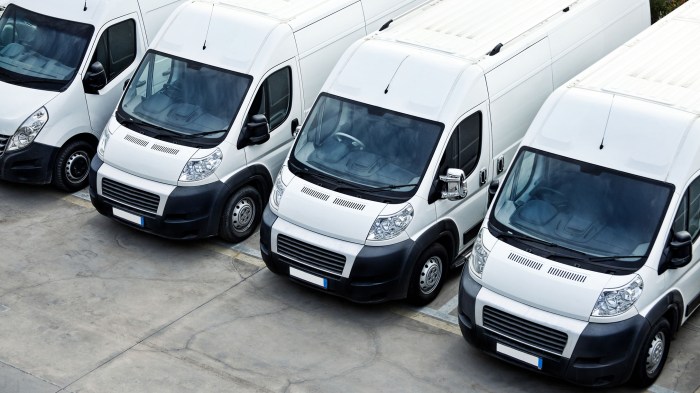
When it comes to purchasing fleet vehicles for your small business, exploring different financing options is crucial. Understanding the pros and cons of leasing versus buying can help you make an informed decision. Additionally, knowing how to secure loans or financing for your fleet vehicle purchases is essential for managing your budget effectively.
Leasing vs. Buying
Leasing and buying are two common financing options for acquiring fleet vehicles. Here are the pros and cons of each:
- Leasing:With leasing, you can often get newer vehicles with lower monthly payments compared to buying. You also have the flexibility to upgrade to newer models more frequently. However, you may face mileage restrictions and additional fees for wear and tear.
- Buying:When you buy fleet vehicles, you have full ownership and control over the vehicles. You can customize them to suit your business needs and don't have to worry about mileage restrictions. On the downside, buying vehicles may require a larger upfront investment and can lead to higher monthly payments.
Securing Loans or Financing
Securing loans or financing for your fleet vehicle purchases involves several steps:
- Assess your business's financial health and determine how much you can afford to borrow.
- Shop around for lenders who specialize in commercial vehicle financing and compare interest rates and terms.
- Prepare all necessary documentation, such as financial statements, business plans, and credit history, to support your loan application.
- Consider alternative financing options, such as Small Business Administration (SBA) loans or equipment financing, to find the best fit for your business.
- Negotiate with lenders to secure the most favorable terms and conditions for your fleet vehicle financing.
Maintaining Fleet Vehicles
Regular maintenance is crucial for keeping fleet vehicles running smoothly and avoiding costly breakdowns. By staying on top of maintenance tasks, small businesses can ensure the longevity and reliability of their vehicles.
Finding Reliable Mechanics or Service Centers
When it comes to maintaining fleet vehicles, finding a reliable mechanic or service center is key. Look for professionals who specialize in working with commercial vehicles and have experience dealing with fleet maintenance. Ask for recommendations from other business owners or check online reviews to find reputable service providers.
- Choose a mechanic or service center that offers comprehensive maintenance services, including routine checks, oil changes, brake inspections, and tire rotations.
- Ensure that the mechanics are certified and have the necessary expertise to work on your specific type of fleet vehicles.
- Establish a maintenance schedule and stick to it to prevent any major issues from arising.
Maintaining fleet vehicles with regular check-ups and servicing can help prevent costly repairs down the line.
Impact of Vehicle Maintenance on Cost of Ownership
Vehicle maintenance plays a significant role in determining the overall cost of ownership for fleet vehicles. Neglecting maintenance can lead to more frequent breakdowns, reduced fuel efficiency, and decreased resale value.
- Regular maintenance helps improve fuel efficiency, saving money on fuel costs over time.
- Proper maintenance can extend the lifespan of fleet vehicles, reducing the need for premature replacements.
- Keeping up with maintenance tasks can enhance the safety of fleet vehicles, reducing the risk of accidents and associated costs.
Insurance Considerations
When it comes to managing a fleet of vehicles for your small business, insurance is a crucial aspect that cannot be overlooked. Understanding the different types of insurance coverage needed, finding the best policies at competitive rates, and ensuring compliance with insurance requirements are essential for protecting your assets and minimizing risks.
Types of Insurance Coverage
- Liability Insurance: Covers damages and injuries to third parties in case of an accident involving your fleet vehicles.
- Collision Coverage: Pays for repairs or replacement of your vehicles in case of a collision with another vehicle or object.
- Comprehensive Coverage: Protects your vehicles from non-collision related damages such as theft, vandalism, or natural disasters.
- Uninsured/Underinsured Motorist Coverage: Covers damages if your vehicle is involved in an accident with a driver who does not have insurance or enough coverage.
Finding the Best Insurance Policies
- Shop around and compare quotes from different insurance providers to find the most competitive rates.
- Consider bundling your fleet vehicle insurance with other policies to potentially qualify for discounts.
- Look for insurance companies that specialize in commercial vehicle coverage for tailored solutions.
Ensuring Compliance
- Make sure your fleet vehicles meet the minimum insurance requirements set by your state or local authorities.
- Keep accurate records of insurance policies, coverage limits, and renewal dates to avoid any lapses in coverage.
- Regularly review your insurance policies to ensure they still meet the needs of your growing fleet and business operations.
Legal and Regulatory Compliance
In order to own and operate fleet vehicles for a small business, it is crucial to understand and adhere to the legal requirements set forth by local, state, and federal regulations. This ensures that the business operates within the boundaries of the law and avoids potential fines or penalties.
Necessary Permits and Licenses
- Commercial Driver's License (CDL): Any drivers operating vehicles over a certain weight limit may be required to obtain a CDL.
- Motor Carrier Authority: Businesses that transport goods across state lines must obtain motor carrier authority from the Federal Motor Carrier Safety Administration.
- Vehicle Registration: Each fleet vehicle must be properly registered with the appropriate authorities.
Compliance with Regulations
- Vehicle Inspections: Regular inspections must be conducted to ensure vehicles meet safety standards.
- Driver Compliance: All drivers must comply with regulations related to hours of service, rest periods, and other safety protocols.
- Environmental Regulations: Fleet vehicles must comply with environmental standards, such as emissions controls and fuel efficiency requirements.
Wrap-Up
In conclusion, buying fleet vehicles for small businesses requires careful planning and consideration. By following the tips and strategies Artikeld in this guide, you can make informed decisions that benefit your business in the long run. Good luck on your fleet vehicle purchasing journey!
Key Questions Answered
What are the key features to consider when choosing fleet vehicles?
Key features to consider include fuel efficiency, cargo capacity, maintenance costs, and resale value.
Should small businesses buy new or used fleet vehicles?
The decision between new and used fleet vehicles depends on budget constraints and the specific needs of the business. Used vehicles may offer cost savings but new vehicles come with warranties and updated technology.
How can small businesses negotiate prices with dealerships when purchasing fleet vehicles?
Small businesses can negotiate prices by researching market prices, being willing to walk away, and focusing on total cost rather than monthly payments.