

How to File an Insurance Claim for Totaled Cars: A Comprehensive Guide
Share this:
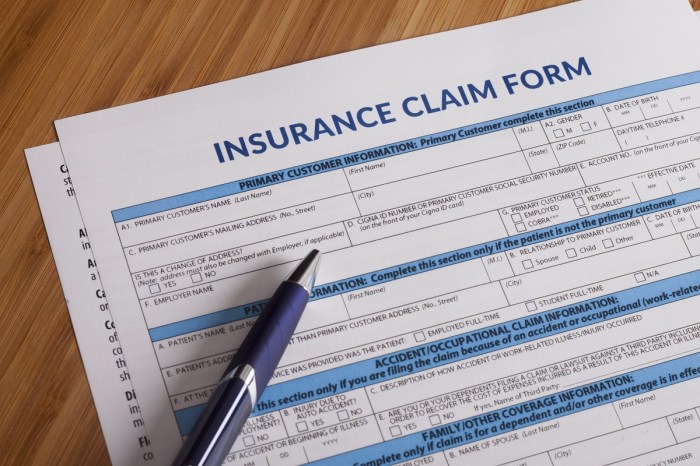
Exploring the ins and outs of filing an insurance claim for totaled cars, this introduction sets the stage for an informative journey into the world of insurance settlements and car damages.
In the next paragraph, we will delve deeper into the key aspects of this process, shedding light on essential steps and considerations.
Understanding Insurance Claims for Totaled Cars
When it comes to insurance claims for totaled cars, it is essential to understand the specific terminology and processes involved in determining the status of a vehicle after an accident.In insurance terms, a 'totaled car' refers to a vehicle that has sustained damage beyond a certain threshold, typically resulting in repair costs that exceed the actual cash value (ACV) of the car.
This means that the cost of repairing the vehicle would be higher than the car's current market value, making it economically unfeasible to restore it to its pre-accident condition.The process of determining if a car is totaled usually involves a thorough assessment by insurance adjusters.
These professionals evaluate the extent of the damage, the cost of repairs, and the overall value of the vehicle. They take into account factors such as the age of the car, its mileage, and any pre-existing damage to determine whether it is more cost-effective to declare the car as totaled rather than repairing it.
Role of Insurance Adjusters in Assessing Totaled Cars
Insurance adjusters play a crucial role in the assessment of totaled cars. They are responsible for inspecting the vehicle, documenting the damage, and calculating the repair costs. By considering the various factors mentioned earlier, insurance adjusters can determine whether the car meets the criteria for being considered a total loss.
- Insurance adjusters assess the extent of the damage to the vehicle, including both visible and internal damage.
- They calculate the cost of repairs based on estimates from auto repair shops and industry standards.
- Adjusters compare the repair costs to the actual cash value of the car to determine if it is more cost-effective to declare it as totaled.
- If the car is deemed totaled, adjusters help the policyholder navigate the claims process and understand their options for compensation.
Steps to Take After a Car is Totaled

After your car has been declared totaled, it's crucial to follow specific steps to ensure a smooth insurance claim process and protect your interests.
Documenting the Damage
- Take photos: Use your phone or camera to document the extent of the damage to your car from all angles.
- Write down details: Note any visible damages, broken parts, and the condition of the interior to provide a comprehensive record.
- Obtain a police report: If the accident involved other vehicles or if there were injuries, a police report can serve as an official document of the incident.
- Keep receipts: Save any receipts related to towing services, storage fees, or other expenses incurred due to the accident.
- Consult a professional: Consider having a mechanic or auto body expert assess the damage to provide an accurate evaluation.
Safely Removing Personal Belongings
- Check for valuables: Before the car is towed away, make sure to remove any valuable items such as electronics, jewelry, or important documents.
- Thoroughly search: Don't forget to check the glove compartment, trunk, and under seats for any personal belongings that need to be retrieved.
- Notify the insurance company: Inform your insurance provider about any valuable items left in the car to include them in your claim.
- Secure your belongings: Keep the retrieved items in a safe place until you can fully assess the situation and file your insurance claim.
Filing an Insurance Claim for a Totaled Car
When it comes to filing an insurance claim for a totaled car, there are specific steps and information needed to ensure a smooth process. It is essential to gather all the necessary documents and details before contacting your insurance company to report the incident.
Understanding the process and timeline for filing an insurance claim for a totaled vehicle can help you navigate through the situation efficiently.
Necessary Information and Documents
- Insurance policy information
- Driver's license and contact details
- Police report (if applicable)
- Vehicle registration and title
- Photos of the totaled car
Contacting Your Insurance Company
When you are ready to file a claim for your totaled car, contact your insurance company as soon as possible. Provide them with all the necessary information and documents to support your claim. The insurance company will guide you through the next steps and may arrange for an inspection of the vehicle.
Timeline for Filing an Insurance Claim
It is crucial to file an insurance claim for a totaled car promptly to expedite the process and receive compensation.
- Notify your insurance company immediately after the incident.
- Submit all required documents and information within the timeframe specified by your insurance policy.
- Cooperate with the insurance company's investigation and claims process to ensure a timely resolution.
Dealing with Insurance Settlements for Totaled Cars
When it comes to dealing with insurance settlements for totaled cars, there are several key aspects to consider. One of the most crucial factors is understanding how insurance companies determine the value of a totaled car and the options available to car owners for insurance settlements.
Additionally, knowing how to negotiate with the insurance company can significantly impact the final settlement amount.
Determining the Value of a Totaled Car
- Insurance companies typically use tools such as Kelley Blue Book or other valuation guides to determine the actual cash value of a totaled car.
- Factors such as the car's age, mileage, condition, and any upgrades or modifications are taken into account during the valuation process.
- Adjusters may also consider the local market value of similar vehicles to ensure a fair assessment of the car's worth.
Options Available for Insurance Settlements
- One common option is receiving a cash settlement for the actual cash value of the totaled car, minus the deductible.
- Another option is to negotiate with the insurance company to retain the salvaged vehicle and receive a lower settlement amount.
- In some cases, car owners may also have the option to use the settlement amount towards purchasing a new vehicle or a replacement car.
Tips for Negotiating a Fair Settlement
- Research the market value of your car before negotiating with the insurance company to have a clear understanding of its worth.
- Provide documentation such as maintenance records, receipts for upgrades, and photos of the car to support your valuation claims.
- Be prepared to negotiate and be willing to counteroffer if the initial settlement offer is lower than expected.
- If you're not satisfied with the insurance company's offer, consider seeking assistance from a professional appraiser or legal counsel to help you navigate the negotiation process.
Last Recap
Bringing our discussion to a close, the outro encapsulates the main points discussed, leaving readers with a firm grasp of how to navigate the complexities of filing an insurance claim for a totaled car.
Quick FAQs
What does 'totaled car' mean in insurance terms?
In insurance terms, a 'totaled car' refers to a vehicle that has been damaged to the extent that the cost of repair exceeds a certain percentage of the car's actual cash value.
What documents are needed to file an insurance claim for a totaled car?
Typically, you will need your insurance policy information, a copy of the police report (if applicable), documentation of the damage to the car, and any relevant personal information.
How do insurance companies determine the value of a totaled car?
Insurance companies often use tools like valuation guides, recent sales of similar vehicles, and the car's condition before the accident to determine its value.
What is the timeline for filing an insurance claim for a totaled vehicle?
The timeline can vary but it's best to report the incident to your insurance company as soon as possible. Insurance companies may have specific deadlines for filing claims.